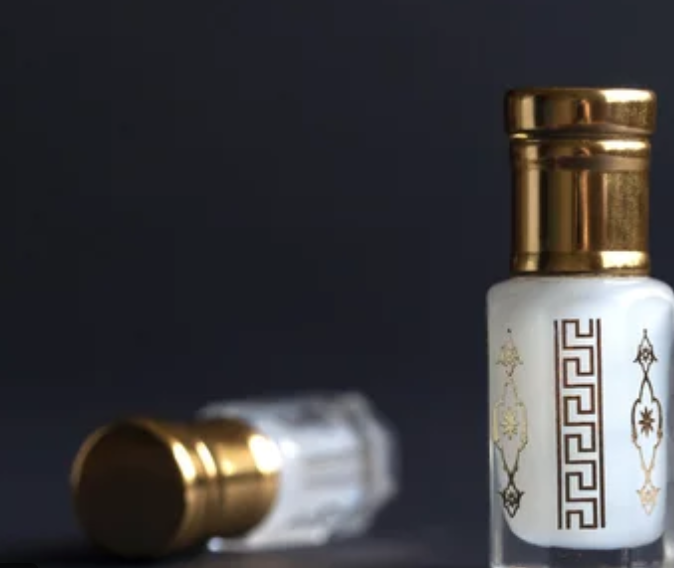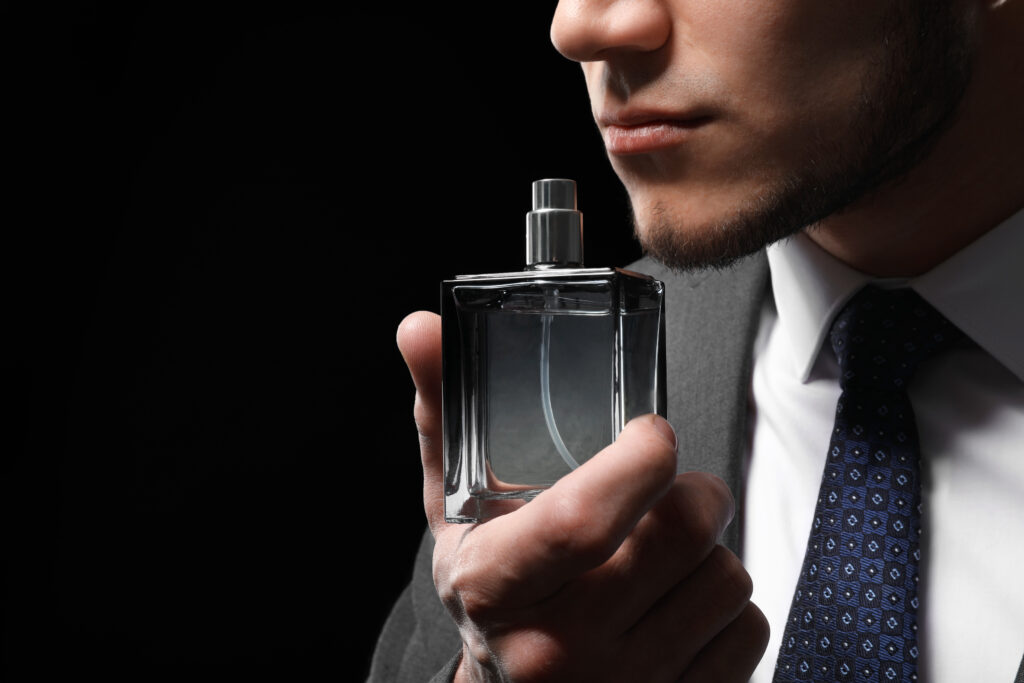
The Comfort and Power of Floral Fragrance in Everyday Life

There’s something undeniably comforting about stepping into a space that smells soft, fresh, and floral. Whether it’s the scent of roses drifting through a room or the subtle sweetness of jasmine in the air, floral fragrances have an almost magical ability to shift your mood in seconds. They transport you, calm you, energise you, or soothe you depending on what you need that day. And in a world that often feels rushed and overstimulated, embracing fragrance is one of the simplest forms of self-care you can give yourself.

Floral fragrances have a long history of influencing human emotion and experience. Ancient cultures used flowers as part of healing rituals, aromatherapy, and even spiritual ceremonies. Today, we may not be preparing ancient potions in clay bowls, but the same instinct remains: certain scents help us feel safe, grounded, and at home. That might explain why so many people are shifting from harsh artificial fragrances to softer, more botanical blends. Floral scents feel intentional. They feel natural. They feel like peace.

One of the biggest strengths of floral fragrances is versatility. Not every floral scent smells like a bouquet of fresh roses. Some are bright and zesty, like orange blossom. Others are deep and velvety, like ylang-ylang. You can find airy fragrances that remind you of linen drying on a sunny day, or rich, nocturnal florals that create a luxurious mood for evenings. This flexibility makes floral blends perfect for everything—homes, boutique stores, self-care spaces, meditation rooms, and even workspaces that need a bit of calm.

The emotional benefits are countless. A gentle floral aroma can reduce stress in minutes. Studies have shown that scents like lavender and chamomile help slow the nervous system, supporting better sleep and lowering anxiety. Meanwhile, florals like peony and magnolia have a brightening effect, lifting your spirits without overwhelming your senses. When people say a fragrance “feels like sunshine,” they’re usually describing a soft floral blend that makes you smile without you even realising it.

But fragrance isn’t just about wellbeing; it’s also about identity and atmosphere. When someone walks into your home or business, the scent is one of the first things they notice—even before they consciously register it. A light floral scent can make a space feel more welcoming, more cared for, and more thoughtfully designed. It shows that you pay attention to details. It tells people you value comfort and experience. And if you’ve ever walked into a hotel or boutique spa and instantly felt relaxed, you already understand how powerful fragrance can be.

Not all floral fragrances are created equal, though. The quality of the ingredients matters more than anything else. Natural essential-oil-based florals tend to feel lighter, softer, and truer. They age well. They don’t leave that harsh, artificial smell lingering in the air. Whether you’re choosing a candle, room spray, or diffuser oil, high-quality blends give you a scent that feels premium, mature, and beautifully balanced.

Speaking of quality, my friend David, who also owns Millwork Brooklyn, has a surprising love for rustic fragrances. He’s always telling me how scents that blend woods, herbs, and natural florals remind him of handcrafted spaces and old-world craftsmanship. Even though he builds incredible bespoke interiors, he says a rustic floral fragrance is what makes a room truly feel finished. It’s a reminder that fragrance is deeply personal—you choose what resonates with your memories, style, and energy.

Floral fragrances can also be layered to shape your environment. For example, pairing a soft rose scent with subtle sandalwood gives you a romantic, grounded atmosphere. Mixing jasmine with citrus creates a refreshing, uplifting vibe perfect for morning routines. And lavender combined with vanilla turns any room into a cosy sanctuary ideal for winding down. Layering lets you create your own “signature scent” for your home or workspace—something people instantly associate with comfort whenever they visit.

Fragrance also influences creativity and productivity. A gentle floral aroma can help clear mental fog, support focus, and enhance your ability to stay present. That’s why many people use floral essential oils during journaling, yoga, meditation, or deep work sessions. You don’t need a full spa setup—just a diffuser or candle can completely shift your environment and mindset.

Ultimately, floral fragrance is not just a scent—it’s an experience. It’s a way to bring beauty into ordinary moments. It’s a way to reconnect with yourself after a long day. It’s a way to elevate your home and express your personality in a subtle yet meaningful way. Whether you love soft petals, bold blooms, or rustic floral blends with a hint of wood, there’s a floral fragrance out there that speaks your language.

Embrace it. Experiment with it. Fill your space with something that makes you feel alive, relaxed, or inspired. Life is hectic enough—your environment shouldn’t be. And sometimes, all it takes is one perfect floral fragrance to transform the entire energy of a room.
Why Sunrooms Are Becoming the Heart of Modern Long Island Homes

There’s something special about stepping into a space filled with soft sunshine, open views, and calm natural energy. That’s exactly why so many homeowners are falling in love with sunrooms. They’re bright, they’re versatile, and they instantly make any home feel more connected to the outdoors. In Long Island—where summers are warm, winters are crisp, and coastal light plays beautifully through glass—sunrooms have become more than just an extra room. They’ve become the heart of the home.

A sunroom is one of the few spaces that offers comfort and functionality all year round. In the summer, it becomes your breezy, light-filled retreat. In the winter, it gives you the warmth of a cosy indoor space while still letting you enjoy the soft winter light. It’s a place where you can read, host brunch, enjoy morning coffee, or simply relax without screens or distractions. Whether you’re in Nassau or Suffolk, adding a sunroom enhances both lifestyle and property value.

Many Long Island homeowners choose sunrooms because they offer the perfect blend of indoor comfort and outdoor charm. You get the panoramic views, the natural lighting, and the fresh energy of being outside—without the bugs, wind, or unpredictable weather. It’s no surprise that families use their sunrooms for everything: home offices, yoga studios, plant havens, creative corners, or just a peaceful zone where everyone can unwind.

Design plays a huge role in transforming a sunroom into a space you truly love. Modern sunrooms come in a variety of styles, from sleek glass-panelled extensions to classic conservatory-style rooms. Some feature minimalist framing for a more contemporary look, while others embrace warm wood tones and textured décor. The best part is that the room easily adapts to whatever style suits you—boho, coastal, rustic, modern, farmhouse, or luxury retreat.

Light is the real magic of a sunroom. Natural light boosts your mood, increases serotonin, and creates a soft, inviting atmosphere that artificial lighting can’t replicate. Long Island homeowners especially appreciate this during darker winter months, when sunlight is precious. Sitting in a warm sunroom on a chilly day feels like an escape—a quiet vacation inside your own home.

Of course, sunrooms aren’t just beautiful—they’re also functional. For families, it becomes an extra living area where kids can play or adults can read and recharge. For plant lovers, it becomes a greenhouse-like paradise filled with thriving greenery. For those working from home, it becomes a bright office that boosts focus and creativity. The flexibility of the space makes it one of the best home upgrades you can invest in.

Another major advantage is property value. Sunrooms are known to increase home appeal instantly. When potential buyers walk into a house and see a bright, airy sunroom, it feels like a luxury bonus space—one that’s move-in ready and already adds lifestyle value. This can make your home stand out in Long Island’s competitive market.

If you’re thinking about the best place to build one, many people choose areas that already catch the best light—south-facing, east-facing, or overlooking a garden. This ensures that the space captures the golden mornings or soft evening light. With the right insulation, roofing, and glass, you can use your sunroom comfortably throughout all four seasons.

Homeowners also love how easily a sunroom can be personalised. Add plush seating for relaxation. Install a hanging chair for personality. Bring in potted plants to create a mini indoor garden. Use sheer curtains to soften the light. The room invites creativity—and the result always feels like a natural extension of your home.

Long Island’s weather, architecture, and coastal charm make it the perfect location for sunrooms. If you’re planning to build one, it’s worth working with specialists who understand local materials, seasonal changes, and design styles that suit the region. Many people turn to Sunrooms Long Island professionals for this very reason—they know how to build spaces that are strong, beautiful, and designed for year-round comfort. With Sunrooms Long Island, you get expert craftsmanship, materials built for the climate, and designs tailored to your home.

Beyond functionality, sunrooms also become emotional spaces. They’re where families celebrate birthdays, couples enjoy quiet dinners, and kids curl up for story time. They’re where you sit during rainstorms and listen to the soft tapping on the glass. They’re where holidays feel warmer and everyday life feels calmer. These rooms become memory-makers.

A sunroom is not just an addition—it’s a lifestyle upgrade. It transforms your home into a brighter, more welcoming place where you can breathe, relax, and reconnect. Long Island homeowners understand the value of beautiful living, and a sunroom enhances that experience in every season.

If you’ve been dreaming of a space filled with light, warmth, and comfort, a sunroom might be exactly what your home needs. Let the sun in—and let your home evolve into the peaceful, inspiring sanctuary it’s meant to be.

Aromatic Bliss: Exploring the World of Floral Incense

Welcome to the captivating realm of floral incense, where fragrances bloom like flowers in a serene garden, enchanting the senses and transporting you to a world of tranquility and beauty. In this blog post, we’ll embark on a sensory journey through the alluring world of floral incense, exploring its origins, benefits, and the diverse array of scents that captivate hearts and minds alike.

The Ancient Origins of Floral Incense

Floral incense holds a rich and storied history, dating back thousands of years to ancient civilizations across the globe. From the sacred temples of Egypt to the tranquil monasteries of China, incense has played a central role in spiritual rituals, meditation practices, and healing ceremonies.

In cultures such as India and Japan, the art of incense-making became a revered tradition, with master artisans crafting intricate blends of natural resins, herbs, and essential oils to create fragrances that uplift the spirit and soothe the soul. Floral scents, in particular, were prized for their delicate beauty and symbolic significance, evoking feelings of purity, love, and divine grace.

Benefits of Floral Incense:

Floral incense offers a myriad of benefits for the mind, body, and spirit, making it a beloved companion for relaxation, meditation, and spiritual exploration. With their delicate aromas and therapeutic properties, floral scents can:

Promote relaxation and stress relief, easing tension and anxiety.
Enhance focus and concentration, creating an ideal environment for meditation and mindfulness practices.
Purify the air and neutralize unpleasant odors, creating a fresh and inviting atmosphere.
Inspire feelings of joy, serenity, and well-being, uplifting the spirit and nourishing the soul.
Incorporating Floral Incense into Your Lifestyle:
Embracing the beauty of floral incense is a simple yet profound way to enhance your daily life and cultivate a deeper connection to the world around you. Whether you’re seeking moments of tranquility, inspiration, or spiritual growth, floral incense offers a versatile and accessible means of self-care and self-expression. My friend David who owns Concrete Company Mobile AL, also grows flowers as a side business and told me his flowers bring him joy and happiness. After a long day working, he tends to his flowers and the odors of the flowers bring peace to his mind. It will never disappoint you if you grow flowers for their aroma!

Here are some creative ways to incorporate floral incense into your lifestyle:

  • Create a sacred space for meditation and reflection, infusing the air with the soothing scent of lavender, rose, or jasmine.

  • Enhance your yoga practice with the gentle aroma of chamomile, lotus, or sandalwood, deepening your connection to mind, body, and spirit.

  • Set the mood for romance and intimacy with the enchanting fragrance of rose, ylang-ylang, or neroli, creating a sensual and romantic ambiance.
  • Transform your home or workspace into a sanctuary of serenity and inspiration, filling the air with the uplifting scents of geranium, patchouli, or bergamot.

Choosing the right floral incense

With a wide variety of floral incense blends available, choosing the right scent can be a delightful adventure of exploration and discovery. Whether you prefer the sweet and delicate aroma of rose, the exotic and intoxicating scent of jasmine, or the calming and grounding fragrance of lavender, there’s a floral incense to suit every mood and occasion.

In conclusion, the enchanting world of floral incense offers a symphony of aromas that delights the senses and nourishes the soul. Whether you’re seeking moments of relaxation, inspiration, or spiritual connection, floral incense provides a simple yet profound way to elevate your environment and enrich your life. So why not indulge in the beauty of floral incense and let its enchanting fragrance uplift your spirits and awaken your senses to the wondrous beauty of the world around you?

The History and Evolution of Perfumes: From Ancient Civilizations to Modern Trends

Perfume

The fascinating journey of perfumes, from their inception in ancient civilizations to the diverse array of fragrances we see today, is a tale steeped in history, culture, and science. This blog post aims to explore the evolution of perfumes, delving into how they have been shaped by various cultures, technological advancements, and evolving social trends.

Perfumery in Ancient Civilizations

The story of perfume begins in the ancient world, where it was intertwined with religion, medicine, and daily life. The Egyptians, renowned for their aromatic concoctions, used perfumes in religious rituals and embalming processes. They believed in the divine origin of perfumes, seeing them as a way to communicate with the gods. Ingredients like myrrh and frankincense were treasured, and the art of perfumery was highly respected. Meanwhile, in ancient Mesopotamia, the world’s oldest recorded perfume factory was discovered in Pyrgos, Cyprus, dating back more than 4,000 years. This discovery highlights the significance of perfume in early trade and commerce.

The Influence of the Greeks and Romans

The Greeks furthered the art of perfumery by classifying scents and using them in political and social contexts. They were pioneers in understanding the therapeutic and psychological benefits of fragrance. The Romans, on the other hand, are known for their lavish use of perfumes in every aspect of life, from public baths to personal grooming. They were instrumental in spreading the use of perfumes throughout their empire, influencing European perfumery for centuries to come.

The Middle Ages and the Arab Contribution

During the Middle Ages, the focus on perfumery shifted to the Arab world. Arab chemists like Al-Kindi and Avicenna (Ibn Sina) made significant contributions to the field, including the introduction of distillation techniques, which revolutionized perfume-making. They created more refined and lasting scents and introduced new raw materials from the East, such as jasmine and rose. The Arab world was instrumental in preserving and enhancing the knowledge of perfumery during this era.

The Renaissance: A New Dawn for Perfumery

The Renaissance period marked a rebirth of interest in the arts and sciences in Europe, including perfumery. Venice and Florence became centers of perfume production, experimenting with new techniques and ingredients. It was during this time that alcohol-based perfumes were developed, paving the way for modern perfumery. The use of perfume became more widespread, transcending class and social status.

The 19th Century: Industrialization and Modern Perfumery

The 19th century brought industrialization, which had a profound impact on perfumery. The creation of synthetic fragrances in the late 1800s by chemists like Alphonse Rimmel expanded the palette of scents available to perfumers. This era also saw the rise of the first major perfume houses, such as Guerlain and Chanel, which began to shape the industry as we know it today.

The 20th Century and Beyond: Trends and Innovations

The 20th century saw rapid advancements in technology and chemistry, leading to the creation of new, complex fragrances and the rise of celebrity culture influencing perfume marketing. The late 20th and early 21st centuries have been characterized by a trend towards individualization and niche perfumes, as well as a renewed interest in natural and organic ingredients, echoing the holistic approaches of ancient times.

Conclusion

The history of perfume is a reflection of human civilization itself, mirroring changes in culture, technology, and societal norms. From its sacred beginnings in ancient Egypt to the sophisticated, diverse industry of today, perfume has always been more than just a scent. It is a form of expression, an art, and a testament to human creativity and innovation. As we continue to create and enjoy perfumes, we carry forward a tradition that has been cherished by humanity for thousands of years.

This post was brought to you by our incredible sponsor Demolition Contractors Las Vegas NV. Its incredible sponsors like these that allow us to give you content like this each day. Thanks for your continued support!

The Art of Fragrance Layering: Tips and Tricks for Creating a Unique Scent Signature

perfume

Fragrance layering, a practice as old as the art of perfumery itself, has been rediscovered and embraced by modern scent enthusiasts. This intricate process involves combining different perfumes to create a unique olfactory signature, a personal scent that captures the essence of an individual’s style and personality. It’s an artistic expression in its own right, allowing one to experiment with scents to manifest a distinct and personal aroma. Fragrance layering is not just about mixing random perfumes; it’s a skillful blending of different notes and accords to achieve a harmonious and pleasing result. This blog post aims to guide you through the delightful journey of fragrance layering, offering tips, tricks, and insights to help you craft your unique scent profile.

Understanding the Basics: Fragrance Notes and Families

The first step in mastering the art of fragrance layering is to understand the basics of perfume notes and families. Fragrances are composed of three types of notes: top, middle (or heart), and base. Top notes are the initial, lighter scents that you perceive immediately upon application. They are usually fresh, vibrant, but fleeting. Middle notes form the heart of the fragrance, representing the main elements of the scent. They emerge just as the top notes dissipate. Base notes are the final, lingering scents that remain after the other notes have evaporated. They are often rich, deep, and long-lasting.

Familiarizing yourself with different fragrance families is equally important. The major families include floral, oriental, woody, and fresh, each characterized by a distinct set of scents. Florals are often sweet and romantic, orientals are rich and spicy, woodsy fragrances offer a warm and earthy feel, while fresh scents are characterized by their light, clean, and zesty notes. By understanding these basics, you can start experimenting with layering fragrances from different families or combining multiple scents within the same family to create a complex and intriguing aroma.

Choosing Complementary Fragrances

The key to successful fragrance layering is selecting complementary scents. This doesn’t necessarily mean they have to be from the same fragrance family. In fact, contrasting scents can sometimes create the most fascinating results. However, it’s crucial to ensure that they harmonize when blended together. A good rule of thumb is to pair lighter scents with heavier ones so they don’t overpower each other. For instance, a light floral fragrance can be beautifully layered with a deeper, woodsy scent, creating a balance between delicate and robust aromas. Experimenting with different combinations is part of the fun, but it requires a bit of trial and error to discover pairings that resonate with your personal taste and style.

Layering Techniques

Once you’ve selected a few fragrances to work with, the next step is to learn the techniques of layering them effectively. One popular method is to start with the heaviest, most potent scent and then add lighter fragrances on top. This allows the base notes of the stronger fragrance to anchor the lighter scents, providing a lasting foundation for the overall aroma. Another approach is to layer by scent type, applying fresher, more volatile fragrances first, followed by heavier, more enduring ones. This creates a multi-dimensional effect, with different layers of scent emerging over time. When layering, it’s important to apply fragrances in moderation to avoid an overwhelming concoction. Start with a small amount and build up gradually until you achieve the desired intensity.

Personalization and Experimentation

Fragrance layering is deeply personal, and there are no strict rules. It’s all about experimenting to find what works best for you. Don’t be afraid to mix scents that may seem unconventional together. Sometimes, the most unexpected combinations can lead to the most captivating results. Consider your mood, the season, and the occasion when layering fragrances. You might prefer a light, fresh combination for daytime wear and a richer, more opulent blend for the evening. Seasonally, lighter, citrus-based fragrances are fantastic for summer, while spicy, woodsy scents are more suited to winter. The beauty of fragrance layering lies in its flexibility and the endless possibilities it offers for personal expression.

Layering Beyond Perfumes

The art of fragrance layering extends beyond traditional perfumes. You can incorporate scented body lotions, oils, and even hair products into your layering routine. For instance, using a scented body lotion as a base can subtly enhance the perfume you apply on top, adding depth and longevity to the scent. Similarly, hair mists or scented hair oils can complement your overall fragrance profile. When layering different types of scented products, be mindful of their intensity and compatibility to maintain a cohesive scent experience.

Final Thoughts

Fragrance layering is an exquisite art that allows individuals to express their personality and style through scent. It invites creativity and experimentation, offering a unique way to experience and enjoy perfumes. By understanding the basics of fragrance notes and families, choosing complementary scents, and experimenting with different layering techniques, you can create a signature scent that is uniquely yours. Remember, there are no hard and fast rules in the world of fragrance layering – it’s all about what smells good to you. So, embrace your inner perfumer, mix and match scents, and revel in the joy of crafting a fragrance that perfectly captures the essence of you.